
P.F Valer
Fantasy Writer · Conlanger
✧ Enter The Barrier ✧
Sign up for updates and releases✨
About Me
Im 24, Caribbean and love stories that show how anyone, both great and small
can change the world.Languages, history and philosophy are incredibly important to me.I write epic fantasies and psychological thrillers. My goal is to one day be a showrunner.

World of Anesin

Dragons are the second oldest creation.
They possess the power to understand their riders and guardians. Bonding with them on a spiritual level though originally not intended to be blood bound to humans. The bond was created by dark magic, consequently making the dragon born far more prone to recklessness and corruption.
DRAGON FAMILY TREE

DRAGon Commands
Dentros - Battle / Engage
Derillez - Calm
Verime - Obey
Reddedas - Fire
Volis - Fly
Drintez - Stop
Sterien - Listen
Isoun - Left
Zerka - Right
Voltis - Turn
Zovon - No
Maparizi - Land
Aon - Protect
ALL CONLANGS
About My Conlang Journey
After 6 years of learning languages both real and fictional, I made my first language, Sanauah, in 2021
I wanted to create a language, a writing system and a font keeping in mind the Indigenous Islanders that would use the language.Being Caribbean myself, I wanted to honor my ancestors by incorporating Taíno sounds and symbols. In Sanauah, you will find beautiful melodic words with glottal stops, elongated vowels, rhythmic flare and trilled Rs.I made my dragon language Zindroro in 2024 for my fantasy novel, which my characters use to communicate with their dragons. In Zindroro you will find consonant dense words with deep roots, and an intense commanding rhythm.I made Itharsyn, a celestial language shortly after out of absolutely nowhere! A prophecy for my novels main character poured out of me. Though the words are quite long, I now (2 years later) found a way to break them down so that rather than each word having a direct translation; they are broken down into phrases that one can decipher using context.
Honorable Mention
The one who peaked my interest in conlangs was the one and only
David J. Peterson.In 2016, David directed me to a community of learners for his language Trigedasleng from the show The100, to which I learned and became fluent in just under a year!I then learned another one of his languages, High Valyrian from Game of Thrones. Soon after, I got to meet David in 2019 (who is incredibly kind and intelligent.)I dedicated years to teaching the language to others. Keen on informing those who were interested that it may be fictional but it is 100% learnable.
YOU CAN SPEAK IT!From then on, my admiration for languages simply burst out of my heart and out of control.I would like to thank David for inspiring and encouraging me to nurture my creative side. Without Trig and Valyrian, I don't know if I would be where I am today nor have languages of my own, in a story I wrote.

Zindroro
Zin-dragon is the second oldest language spoken by Coralians and the Draguardians of Zogoria.
This ancient tongue is a dornmant bloodline inheritance that awakens when a being's power is realized.
PHONOLOGY

· The gh sound in Ghoz meaning Hide is a uvular rasp similar to the Arabic "kh" sound or the French R.· Ek in Ekarek is similar the to "ch" in the Scottish word "loch" or the Arabic letter خ.· The double L (ll) in ex: Vorillas meaning Strong is said as Y as in Yes
PHONOTACTICS
Words are constructed using only CV (Consonant-Vowel) or CVC (Consonant-Vowel-Consonant)
Diphthongs
Vowels mesh together in a single syllable, givibg it a unique accent.· Ex 1: (ao)n meaning Protect – pronounced as "ow-ohn" rather than a broken "ah-on."· Ex 2: (eu)m meaning One/Only – pronounced as "aye-oom" rather than a rigid "eh-oom" or "ee-um."
(idk how else to explain it, just blend it!)· Ex 3: (au) in: Deauro meaning Failure - flows from "ah" to "oo."· Ex 4: (ea) in: Derolarea meaning Leader - slides from "eh" to "ah."· Ex 5: (eo) in: Keon meaning Commander - glides from "ay" to "oo."
Pronunciation & Accent GuideMandatory Roll: every r in Zindroro must be rolled aggressively. No exceptions!!! It will not sound right without it.· Vowel Elongation:
Zindroro has distinct elongated vowels. The first vowel is often stretched out (Zovon: zohh-von, Zereno: zehh-reno, Koba: kohh-ba) to give dialogue a rhythmic flow.· Phonetic Realization:
Words are pronounced exactly as dictated, there are no silent letters. (Example: One is pronounced "oh-neh")· Pronoun Tension (sharp shift):
· Zir (I/Me): Pronounced as "ziyr" (rhymes with the English word seer).
· Tizi (You): Pronounced as "thih-zeee".· The Pronoun Splits (Zir vs. Ziri)
· Ziri: The pronoun used before verbs (Ex: I want, I will go, I love). Pronounced quickly as "zih-ri".
· Zir: The declaration used for "me," (Ex: You know me, its me, I will). Pronounced as "ziyr".
Sound neighborhoods
· T-R-S / D-N-T - Fight, clash, effort, and war
(Torikes – Fight / Dentros – Battle)· K-E / R-Y - High command, authority, royal bloodlines, and titles
(Keon – Commander / Reyun – noble born)· Z-G / Z-V - Hard boundaries or stop warnings
(Zogor – Don’t / Zovor – No / Zovon – Not)· V-L / V-R - Transitions, movements, or going beyond
(Vallar – Leave / Volantis – Afterlife / Vor – Verge, edge)· Z-R-N - Alignment, clarity, or positive internal states
(Zereno – Happy / Zeket – Favorite / Zinara – Light)· D-K / D-R - Actions, memory storage, or mental management
(Deker – Forget / Dikerias – Leave alone, walk away / Derolari – Lead, guide)
GRAMMAR BASICS
syntax
Sentences follow the SVO (Subject-Verb-Object) path.Linguistic Registers
· High Zindroro: regular pronouns (Zor, Azia, Zoneun) are kept to anchor the sentence structure.· Low Zindroro: When context is already established, drop the pronouns for fast communication.Canon Examples
· High: Zor zovon hentenkos = "He does not understand."
· Low: Hentenkos sike arek = Literally: "Know what do," contextually meaning: "He knows what to do."· Note on Casual Speech (Clipping): In Low Zindroro, speakers often drop the last vowel of verbs (ex: derolari becomes derolar) to speak at maximum speed."
Sandhi
A not mandatory but encouraged speech approach: melting words together!Im Puerto Rican and Dominican and this happens a lot because we speak super fast. We also sometimes pronounce R as L and I think that works for Zindroro as well.Canon examples:
· Melted together: Karezir - (Take me)
· Mashed Together: Zirlortar - (I told) From Zir (I) + Loltare (Tell) This keeps CVC structure intact.Or· Words containing more than one R. Since every r will be rolled, the first one can be swapped with an L if it makes it easier.
ex. Delolari Oligorias
Canon: Derolari Origorias (bring the prisoner.)Otherwise, words with the VC or VCV structure... just leave them, they were some of my first inventions and they're great.
Universal Pronoun
The universal particle ek (or ekarek) is for connecting descriptions.Copula Linker: ek acts as the bridge to connect a noun to an adjective.
Ex: Keon ek vorillas = "The commander [is] strong."Standalone Placeholder: ek or ekarek acts as the universal placeholder for "He," "She," "They" or "It."
Ex: Ekarek vorillas = "He/She/They/It is strong."Conversational Mashing (Optional): When speaking, the linker ek melts into the noun before it. ex: Keon ek Vorillas can be spoken in one continuous breath: Keonek vorillas (More on this in the Syntax section)You have full stylistic freedom! Use ek or ekarek.. they're both optional anyway :)
morphology
· Verb end families (-os, -as, -ari) are dropped before attaching suffixes to preserve the syllables. Ex: hentenkos → hentenkun (Understood), dritetas → dritetun (Brought). derolari → delorarun (Led).· Present Tense: Verb stays the same (ex: Derolari - Lead)· Past Tense:Suffix -un (Ex: Derolarun - Led).· Future Tense: Stand alone particle Va / Vari (Ex: Va / Vari Delorar - will lead)· Plurals: Suffix -es onto nouns (Ex: Keones - Commanders & Reyunes - Royals)
· Agent Noun: Suffix -ea Ex: Derolarea - Leader)
· Continuous: Suffix -sir (Ex: Derolarisir - Leading)
· Imperative (Order): Suffix -a (Ex: Derolaria! - Lead!)
· Completed: Prefix re- (ex: Rederolari - lead.) (adj. description modifying a noun)
Exception: If a word naturally ends in the CV form of a suffix (like Varun - Went) blend them to prevent doubling (varun remains varun, pls don't do varun-un!)
Canon Showcase:
"Zor zovon hentenkos, zoneun tenenkos irga eno tdrezer."
"He doesn't understand. No one knows how it feels."
Literal: He not understand, No one really know how it feel“Ger izeri orideas.”
"Give us your orders."
Literal: "Give us orders."
Coming Soon...
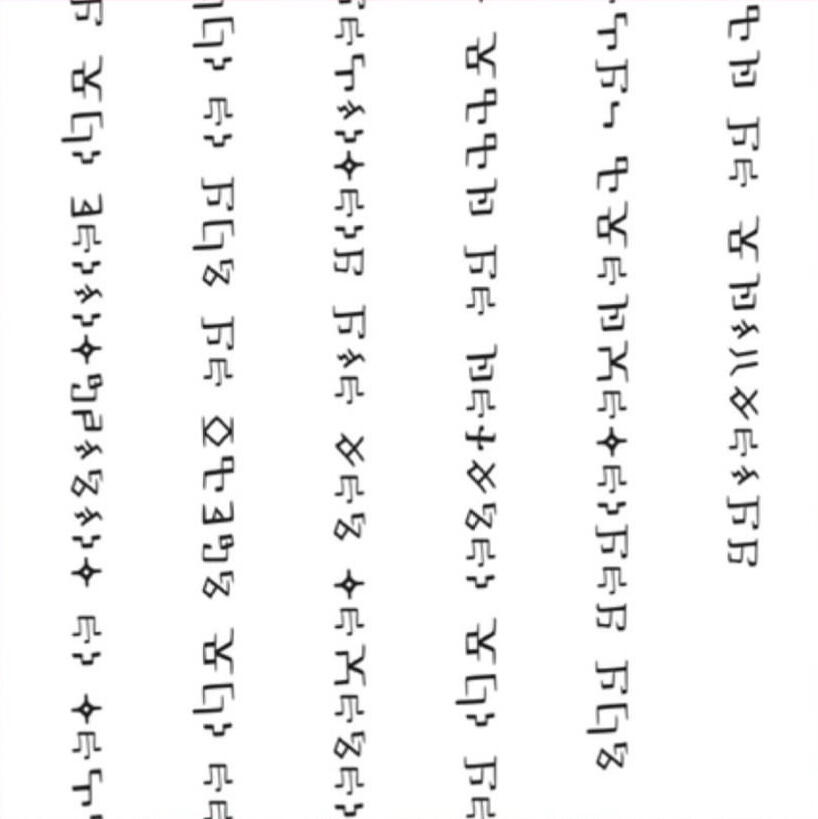

Itharsyn
The oldest language in Anesin spoken only by primordial beings; impossible to be understood or spoken by any other being. This is a language whispered into hearts and souls, revealing what is unknown and unforseen.
Coming Soon...
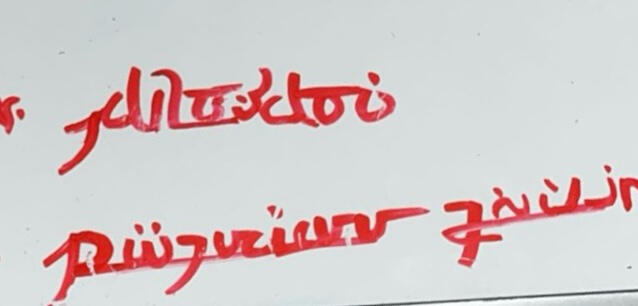

Sanauah
A unique and melodic language spoken by islanders on the south west archipelago of Naua.
Soon...
Soon...
Coming Soon...

ITHARSYN DICTIONARY
eske
the one / only / this is / this one ishefna
he / he is / he willse
is / be / being / flowing / cause / continuingmai
mine / chosen / called / special / importantKaym
beginning /breath / eternal /sustaining /is and is to comeha'arni
follow / through / way / command / order / will / mustIthinti
of no fault / without cause / unfortunately / inevitableegrai
from the ground / humanity / creation / grown upsho’en
without end / continues / inflictiontorenti
torment / damned / cursed / doomedshīloen
internal turmoil / empty place / consequence / destructionreski
however / what comes after / do not be afraidentra
coming from your own / soon / will be / come to passsurisuves
saving help / burden lifted / assistance / desperately awaitedrepathos
from before / what has come to pass / repay / redoanīan’anü
power / gifted / imbued / wisdom / beyond understandingenharsien
everything / everywhere / all the time / all encompassingene’ne’neas.
within / imbedded / soul / born /garistina
suffering / prolonged pain / anguish /kārianae
fate / pre written / meant to be / what comes after / end all be allthapartha
separation / self destruction / losing, lost cause /suvisuthos
saving of others / burden beared / replaced / take your place / instead ofnuanden
no one / nothing / nonexistent / nothing elsenuaendenthari
no one else / never will / not going to exist

ZINDRORO DICTIONARY
1. A moment – Unzeti
2. Accusation – Zore
3. Afraid – Izintis
4. After, Afterwards – Vorie
5. Afterlife – Volantis
6. Again – Odenez
7. All – Ini
8. Also, Too (beginning sentence) – Ea
9. Am – Arie
10. And – E
11. Anyways – Azie
12. Are – Arien
13. Authority – Kerias
14. Basic – Retezi
15. Battle – Dentros
16. Become – Nokeno
17. Being – Kearien
18. Believe – Allie
19. Best - Izias
20. Betrayer – Eridas
21. Blood, life force – Driventenkos
22. Bring – Ditretas
23. Brother – Iono
24. But – Gorik
25. Calm – Derillez
26. Calm / Slow / Steady – Derizer
27. Can, able, capable – Lo
28. Child/Children – Ziyen
29. Chosen / only one – Solan
30. Coconut – Naveta
31. Come – Koziri
32. Commander, general – Keon
33. Currency – Sorika
34. Cut – Detea
35. Daughter – Llena
36. Death – Morzinzi
37. Defeat – Oleri
38. Disgusting – Killar
39. Do, carry out, see to – Arek
40. Does – Arekes
41. Don’t – Zogor
42. Dragon – Droro
43. Eliminate – Gehar
44. Encircle – Sovrete
45. Everyone – Eni
46. Failure, shame, disgrace – Deauro
47. Favorite – Zeket
48. Feel – Tdrzer
49. Fight – Torikes
50. Find – Karik
51. Fire – Rededas
52. Fly – Volis
53. For – kara
54. Forget – Deker
55. Forward – Yere
56. Friend – Dreno
57. Give – Ger
58. Go – Voi
59. Going – Var
60. Guess – Allez
H-P
61. Halt – Keredar
62. Happy – Zereno
63. Have – Tenezen
64. He – Zor
65. Head – Eza
66. Her – Azea
67. He’s/He is (slang) – il
68. Hide – Ghoz
69. His – Zoro
70. House (royal) – Reyunkar
71. How – Irga
72. I, my, myself – Ziri
73. If – Siy
74. In – Sou
75. Instead – Egan
76. Interrogate – Asigeriteas
77. Is – Iye / har
78. It – Eno / Ek
79. Jellyfish – Valella
80. Journey, Long walk – Dazari
81. Just – Sori
82. Know – Hentenkos
83. Land – Avori
84. Land – Maparzi
85. Later – Iza
86. Lead, show, guide – Derolari
87. Leave – Vallar
88. Leave, walk away, leave alone – Dikerias
89. Left (direction) – Isoun
90. Let’s – Izai
91. light – Zinara
92. Listen – Sterien
93. long – Azar
94. Look, looks like – Seva
95. Loss, lost – Orines
96. March – Arzi
97. Me, mine – Zir
98. Mean, Signify – Sea
99. Meet – Ergo
100. Most – Iriden
101. Must – Gerite
102. Never – Anti
103. No – Zovor
104. none, no one – Zoneun
105. Not – Zovon
106. Obey – Verime
107. Obviously, clearly – Zalile
108. Of course – O'horo
109. Old – Vari
110. On, onto – A
111. One – Nie / One
112. One (number) – Eum
113. Only – Zori
114. Orders, commands – Orideas
115. Our – Oz
116. Out – Enen
117. People – Savori
118. Place – Kerar
119. Plate, platter, dish – Koba
120. Pleasure – Hezon
121. Power – Dektos
122. Prepare, ready – Zinus
123. Prisoner – Origarias
124. Protect – Aon
Q-Z
125. Ready – Jevuste
126. Remove, Rid, Dispose – Detkerias
127. Right – Zerka
128. Royal, noble born, title – Reyun
129. Sad – Trivoke
130. Sea – Kenti
131. See – Isir
132. Shame – Zekta
133. She – Azia
134. Should – Unzo
135. Show – Tdrektos
136. Silver – Zillo
137. Siren/s – Searianes /eas/
138. Sister – Hera
139. Slave – Irotison
140. So – Ejiri / Page
141. Son – Lleno
142. Special – Voralen
143. Stay – Keda
144. Stop – Argoz
145. Stop (action/state) – Drintez
146. Strong – Vorillas
147. Suffer – Hikena
148. Supreme, remarkable, incomparable – Majiste
149. Sure, certain – Sekur /ia/
150. Take – Kare
151. Tell, told, spoke, call – Oltare
152. Ten – Tozi
153. That – Ekar
154. The – A
155. Their/s – Eun
156. They, them – Ean
157. This (feminine) – Ika
158. This (masculine) – Iga
159. Tie, chain, strap, bind, Join – Virotis
160. Time – Kezi
161. To – A / Ore / Ake
162. Together – Ikum
163. Trouble – Porir
164. Turn – Voltis
165. Unless, until – Reshi
166. Unworthy, useless – Hari
167. Us – Izeri
168. Usurper, Spy, Traitor – Denrey
169. Verge, edge, brink – Vor
170. Violence – Nazektos
171. Wait – Llerite
172. Want – Traji
173. We – Izo
174. Weary, scared, worn out, reluctant – Zombine
175. Welcome – Vokozenko
176. What – Sike
177. What’s left – Derius
178. Why – Ehadikse
179. Will (future) – Vari
180. Wish – Jini / Jurini
181. Worry – Eren
182. Worthy / Direction – Ari
183. Yes – Aiy
184. You /are/ – Tizi
185. Yourself, Soul, Spirit Internally – Labi

Sanauah
1. A – EH
2. About [f] – IGA
3. About [i/?] – IGA’TA
4. Accept / Allow [f] – TULARĪKE
5. Accept / Allow [i] – TULAR
6. Accusation – KAREJO
7. Admire – AI’OLAI
8. Adore – OKĪTU
9. After – FA’ALI
10. Again – MATAO
11. Alive – OLARIVE
12. All – ORŪ
13. Also – SE
14. Always – ISE
15. Angel – AITEN
16. Angry – ITAI
17. Another – ANOĪSE
18. Any – SO’OSE
19. Anything – SO’OSE’MEANA
20. Apart – VAI
21. Apart / Alone – CHIROA
22. April – TONUA
23. Are – ERE
24. Argue – FIAKO
25. Around – ANOIGA
26. As – AOĒ
27. Ask – IGI
28. At – YA
29. August – KUOTO
31. Baby – ITILI
32. Back – KE’KUA
33. Bad – ILÈ
34. Base / Foundation – NAVĒ
35. Be – SĒRA
36. Be / Is / Like – SERĀKIRI
37. Because – AN’AUA
38. Bed – MA’EILŪ
39. Been – SERAU
40. Before – PA’AS
41. Behind / Left – UADERU
42. Believe – TAO’RU
43. Believe [alternative] – NURIT
44. Best – SI’ILI / HIOSI
45. Better – IEI
46. Big – LEKOI
47. Birthday – SOUFOU
48. Blessings – SYONĪ
49. Blue – LA’MA
50. Boy – TAMAKE
51. Brother – TAKAI
52. Bunch / A lot – TABAKU
53. Busy – SOISO
54. But – AE / KAIĒ
55. By – ENI
56. Call – NALAUA
57. Calm down – KALI’AU / OSIKE
58. Can [i] – DOKO
59. Can [f/?] – DOKO’TA
60. Can’t – KANEN
61. Care – KOMOA
62. Celebration – AUIA’AUTU
63. Change [i] – GUIA
64. Change [f] – GUI’AN
65. Child – LUAKO
66. Choose – EFULI
67. Clean – KIREI
68. Close – KIEZA
69. Clothes – EKI’TI
70. Coconut – KUMIKUMI
71. Come – KOAKITĒ
72. Crazy – AKURIK
73. Crime – KARAKO
74. Dad – TAMA
75. Damn – SI’KAERU
76. Day – AHI
77. Daughter – AFINE
78. Death – MORUN
79. December – JOLESI
80. Decide – EFULIN
81. Did – FALAO
82. Die / Died – MAORTI
83. Disgust – ETUNA
84. Do – NOLOA
85. Does – FORŪ
86. Done – LASI’MO
87. Done / Over – FA’ÍA
88. Don’t – FE’ENŪ
89. Door – ŪA
90. Down – ALO
91. Dream [f] – SŪMETI
92. Dream [i] – SŪMET
93. Drink – NONOMU / INUBE
94. Dry – SEIKA
95. Each – A’U
96. Each other – AUIYO
97. Easy – ANAI
98. Eat – AI’TA
99. Eight – OTO
100. Eleven – ISISI
101. End – GOWAI
102. Enjoy – FAI’IMI
103. Enough – YAVA
104. Every – MAI’O
105. Everything – MAI’O’ME’ANA
106. Everywhere – ALE’HENŪ
107. Family – KAIGA (LELO'LAI)
108. Fast – HARAI
109. February – JULUA’NUA
110. Feel [f] – LOLOMA
111. Feel [i] – LOMA
112. Few / While – TOALA
113. Fierce / Strong – POLOTÁ
114. Finally – MAI’ELŪNI
115. Find – SU’ELA
116. Fish – TUKINA
117. Fit – FITOTE
118. Five – MEIA
119. Flower – MAKITA
120. Fly – VOLIS
121. For – TORO
122. Forever – KANA’TEKA
123. Four – KORA
124. Friends – TOMOU
125. From – ŒO’TU
126. Frozen – KI’OLA
127. Future – LŪIMANA
128. Garbage – KANĪETE
129. Get – AE’ŪA
130. Girl – WEIAKĪNE
131. Give – VAITŪ
132. Go – FŪINĀ
133. Go back / Retreat – TOAI
134. Good – FOSŪ
135. Good morning – SON’NA
136. Good night – NOÍYA
137. Grab – UGARA
138. Grandfather – JITAMA
139. Grandmother – JIAMA
140. Grateful – AUEA
141. Greetings – AI’ISYO
142. Guy – KELE
143. Hand – MANO
144. Happy – ZEFAI
145. Happy birthday – ZEFAI SOUFOU
146. Hard – SUFISI
147. Have – TE’EMŪ
148. He – KARE
149. Hear – SIKI
150. Hear [intent] – SKIRAO
151. Help – ARUSOANI
152. Here – AURŪ
153. Hey / Hi / Hello [i] – AMA
154. Hey / Hi / Hello [f] – AMAT
155. His – KAREJO
156. Her – OIALANA
157. Hit – MĀTO
158. Hope [i] – OPOI
159. Hope [f] – OLOPOR
160. Hopeful – OZOPOI
161. Hot – VŪĪ’LEN
162. How – SEFAO
163. How are you – AO’SOU
164. Hundreds – SEMI
165. Hungry – OSAMI
166. Hug – SOMA
167. Hurry – AVIANO / ROIA
168. Husband – TANE
169. I / Me / My – IMALA
170. I love you – ALEIŪ
171. If – HEH
172. In – ITO
173. Into – ITONE
174. Introduce – NETEYA
175. Introduce yourself – NETEYA MALAHĒLE
176. It – EM / IYO
177. It’s – ME’EM
178. January – JIISI
179. Job – IOPA
180. Join / Connect – KAUAI
181. Journey – SĒLŪM
182. July – POMEIA
183. June – DIKORA
184. Kill – MAKORU
185. Kiss – LO’MAKA
186. Know [f] – KOTOI’LOA
187. Know [i] – KOTOA
188. Language – EGNA
189. Last – MUHELI
190. Leader / Monarch – EANA
191. Least / At least – SEKULA / ‘Ē
192. Leave – AULURU
193. Left – ĪARĪ
194. Lets – LOLŪ
195. Lie – WAHENO
196. Life – LUĪA
197. Like – KIRI
198. Little – ILI
199. Live – OLOA
200. Long – NAI / LŪAI
201. Look / Examine – MIRAGA
202. Lose / Lost – UIDA
203. Loss – UIDON
204. Love [f] – KOROA
205. Love [i] – KUTO
206. Made – FULA
207. Make – KURIK
208. Man – TOMA
209. Many – LEKULU / TA’AO
210. March – SAIISI
211. May – AISERU
212. Me too – TABAKU’NI
213. Mean – ILÈNO
214. Mean / Meaning – IMI
215. Mine – O’UTA
216. Mom – AMA
217. Month – MASU
218. Month of fasting – HARAIN
219. Moon – NŪSIA
220. More [f/?] – MALALO
221. More [i] – MALOU
222. Move – KOGAI AKAI
223. Name – MALAHE
224. Near – KAKUTA / KIALA
225. Need – TO’MEKASA
226. Next – SUIGE
227. Night – NOYA
228. Nine – IYA
229. No – YE
230. Not – ĪELE / FE’EN
231. November – KUIYA
232. Now – AISNO
233. Number – KETA
234. Nowhere – OKONI
235. O’clock – TOKA
236. October – HAIOUA
237. Of – ODE
238. Off [f] – ESSEFU
239. Off [i] – ESSE
240. Oh really – AO’E
241. Okay – OLEKI
242. On / Top / Above [f] – ULENI
243. On / Top / Above [i] – ULE
244. One – ISI
245. Only – SORAO
246. Or – O
247. Other – NOKASA
248. Our / Ours – IMATAN
249. Out – AFŪRŪ
250. Open – LEA
251. Own – JIYONO
252. Pay – GARĀ
253. Peace / Silence – ZWEI
254. People – GAU’OFAI
255. Pick – RABO
256. Place – LŪA
257. Please – CALAK
258. Pronounce / Declare – HASURU
259. Protect – PUIA
260. Pull – TOSU
261. Push – TULE
262. Quick – PURAI
263. Quiet [f] – ZUAIA
264. Question – TA
265. Realize / Notice – TOLO’ILOA
266. Reason – RIYUA
267. Relationship – MUKAI
268. Release – RISAR
269. Remain / Rest – OKA
270. Right – ĪAI
271. Roots — LELO’LAI
272. Ruler / Monarch – EANA
273. Run – HARO
274. Sacrifice – VAITURŪ
275. Same – ONAJI
276. Say / Talk – SETI
277. Search – SU’EKENA
278. Season – SUTASU
279. See – VA’AI
280. Seem – MAREGŪ
281. Send – SOMINO
282. September – SESITU
283. Serve – SUKAERU
284. Seven – ESE
285. She – OIA
286. Short – KAIJU
287. Should – STAIO
288. Sister – AMAI
289. Sit – SHĪ
290. Six – SITU
291. Sleep – SUMI
292. Smile – EDEA
293. Smell – NIOI
294. So – AO
295. Some – IKUSA
296. Something – IKUSA’ME’ANA
297. Son – ATIKE
298. Sorry – SŪRYE
299. Sound – SOKONI
300. Speak / Converse – OWAKA
301. Spring – TORANU
302. Stand – TOKI’AMŪ
303. Stay – ROMARŪ
304. Stop – SAUŌ
305. Strength – E’KAI’TIA
306. Suffer – HIKENA
307. Summer – SUMETA
308. Sun – SULA
309. Support – OLAO
310. Sweat – NAKOLA
311. Take [f] – TERAN
312. Take [i] – TERA
313. Talk – TAHAUA
314. Ten – ENE
315. Tens – SET
316. Than – IA / NILIO
317. Thank you – HERĒTE
318. Thanksgiving – AUEAS
319. That – TA’AT
320. The – TE
321. Their / Theirs – OMALON
322. Then – ONA
323. Then / So / Well – KRAT
324. There – SOĪA
325. They / Them – OMAN
326. Thing – ME’ANA
327. Think – NIESAU
328. This – TI'IT
329. Thousands – SEN
330. Three – SERU
331. Time – TAMEIA
332. Today – NI’AHI
333. Together – A’KETA’NAK
334. Too – GO’ON
335. To – NI’A / AH
336. Trust – ALI’EK
337. Try – TOTI’ATO / TOSERU
338. Turn – TURIKU
339. Twelve – ISINUA
340. Two – NUA
341. Under – LAHO
342. Until – ŪSEI
343. Up – OLŪ
344. Upset – LOKANI
345. Very – TEMO
346. Wait [f] – MASĪLE
347. Wait [i] – MASĪ
348. Walk – SAVARU
349. Want – KINĒ
350. Wash – KOLEKI
351. Watch – AAI
352. We / Us – IMALON
353. Welcome – HAIOMA
354. What [f] – KIĒNA
355. What [i/?] – KI’Ē
356. What’s up – DOSITE
357. When – KIOSA
358. Where – KIĒFAO
359. Who – KīAT
360. Whole – SENORU
361. Why – KIESI
362. Wife / Bride – AVA
363. Will – NO’A
364. Win – MALANA
365. Winter – SOLONA
366. With – KITĒ / KIE / OA’A
367. Without – KITARI
368. Woman – WEIA
369. Work – LUGA
370. Would – EDARI
371. Wow – WOLA’TOSŪ
372. Year – TAGOSI
373. Yes – AI
374. You [f] – IMAN
375. You / Yourself [i] – TI
376. Your / Yours – OMATON
377. You’re welcome – NOTERA
378. Zen / Quiet / Stillness – ZEMŪ
379. Zero – OLE